
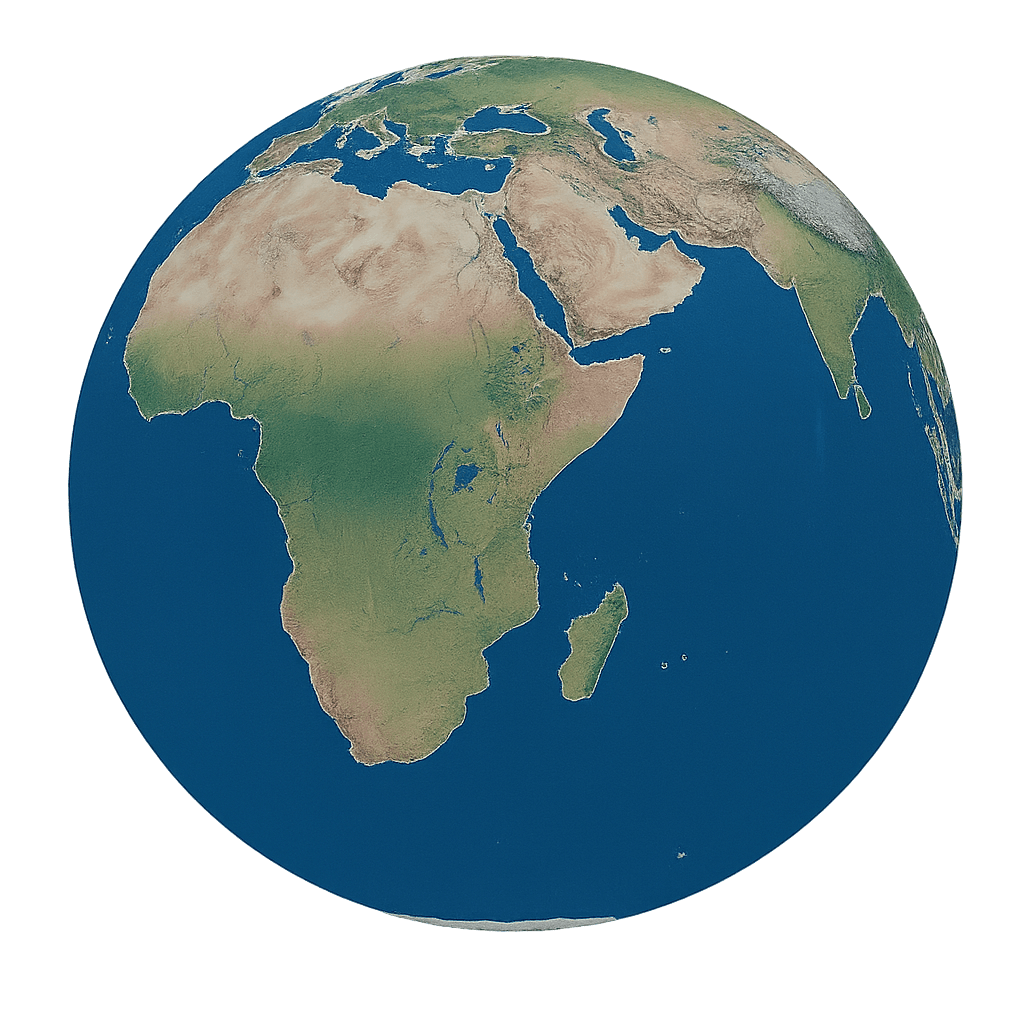
Water Wells for Africa marks 30 years and 680 wells in Malawi
Water Wells for Africa is celebrating 30 years of work in Malawi and the installation of its 680th well, as founder Kurt Dahlin’s project moves into a new phase with a goal of 1,000 wells. The milestone highlights how clean water access has reshaped daily life in remote communities and why WWFA says its long-lasting wells remain central to development.
Why it matters: - Water Wells for Africa says clean water remains the foundation for health, education, work and economic growth in remote Malawian villages. - The organization is marking 30 years of service and 680 wells built, a sign of long-term demand and sustained impact. - WWFA’s first well, drilled in 1996, is still operating today, underscoring the group’s focus on durability.
What happened: - Water Wells for Africa is celebrating its 30th year of bringing clean, sustainable water to remote communities in Malawi. - The organization also reached its 680th well installation. - Founder Kurt Dahlin launched WWFA in 1994 and has led the group as president since its founding. - Dahlin’s humanitarian path began on the beaches of Venice, California, before shifting to work in southern Africa. - Dahlin previously led humanitarian teams to apartheid-affected villages in Transkei, South Africa. - As Rwanda’s genocide drew global attention, Dahlin’s friend Eddie Braun asked him to help direct relief efforts. - Charlie Sheen, Cary Elwes and John Stamos supported that relief work. - Dahlin’s research showed Rwanda was not feasible for aid at the time, which led him to Malawi. - In September 1994, Dahlin and Braun led an exploratory team funded by Sheen, Elwes and Stamos to refugee camps in Malawi’s lower Shire region. - The team traveled across southern Malawi and met with community leaders, village heads and traditional authorities.
The details: - WWFA concluded that clean water was Malawi’s most urgent humanitarian need because other development depends on it. - The organization then began finding a reputable drilling company and local partners to support its work. - During early visits, the founding team met women who spent up to eight hours a day searching for a single bucket of water. - Those water sources were often dirty and carried disease. - WWFA says a functioning well can improve health, save time for school and work, strengthen family life and support village-level economic growth. - Dahlin is a former manufacturing engineer with McDonnell Douglas Helicopters. - WWFA says Dahlin combined technical discipline with a service-driven approach to build a program centered on long-lasting wells and supporting infrastructure. - Brittany Harris, manager of marketing and development for Water Wells for Africa, said 30 years and 680 wells represent hundreds of communities where clean water is now part of everyday life. - Harris said each well gives families back time and health and gives children a better chance at an education. - WWFA’s website for donations and more information is here.
Between the lines: - WWFA’s origin story shows how a specific humanitarian need in one country redirected a broader relief effort into a long-term water mission. - The organization’s emphasis on a first well still operating nearly three decades later suggests reliability is part of its model, not just output. - The new 1,000-well goal signals WWFA is using the anniversary to push for another growth phase, not just celebrate past work.
What’s next: - WWFA says its immediate goal is to provide 1,000 wells. - The organization is inviting the public to support that effort as it enters its fourth decade. - The milestone campaign is likely to keep the focus on Malawi’s water access needs and WWFA’s long-term approach to rural infrastructure.
The bottom line: - WWFA is turning a 30-year anniversary into a push for more wells, more communities served and more durable water access in Malawi.
Disclaimer: This article was produced by AGP Wire with the assistance of artificial intelligence based on original source content and has been refined to improve clarity, structure, and readability. This content is provided on an “as is” basis. While care has been taken in its preparation, it may contain inaccuracies or omissions, and readers should consult the original source and independently verify key information where appropriate. This content is for informational purposes only and does not constitute legal, financial, investment, or other professional advice.
Sign up for:
Kigali News Today
The daily local news briefing you can trust. Every day. Subscribe now.
Check Your Email!
We sent a one-time activation link to: .
Confirm it's you by clicking the email link.
If the email is not in your inbox, check spam or try again.
Welcome back!
is already signed up. Check your inbox for updates.