
New Community Forest Recognition Expands Formal Protection for Grauer’s Gorillas in the Democratic Republic of the Congo
Recognition of Mohoo Sector strengthens legal protections across the Nkuba Conservation Area, a globally important stronghold for one of the world’s most threatened great apes
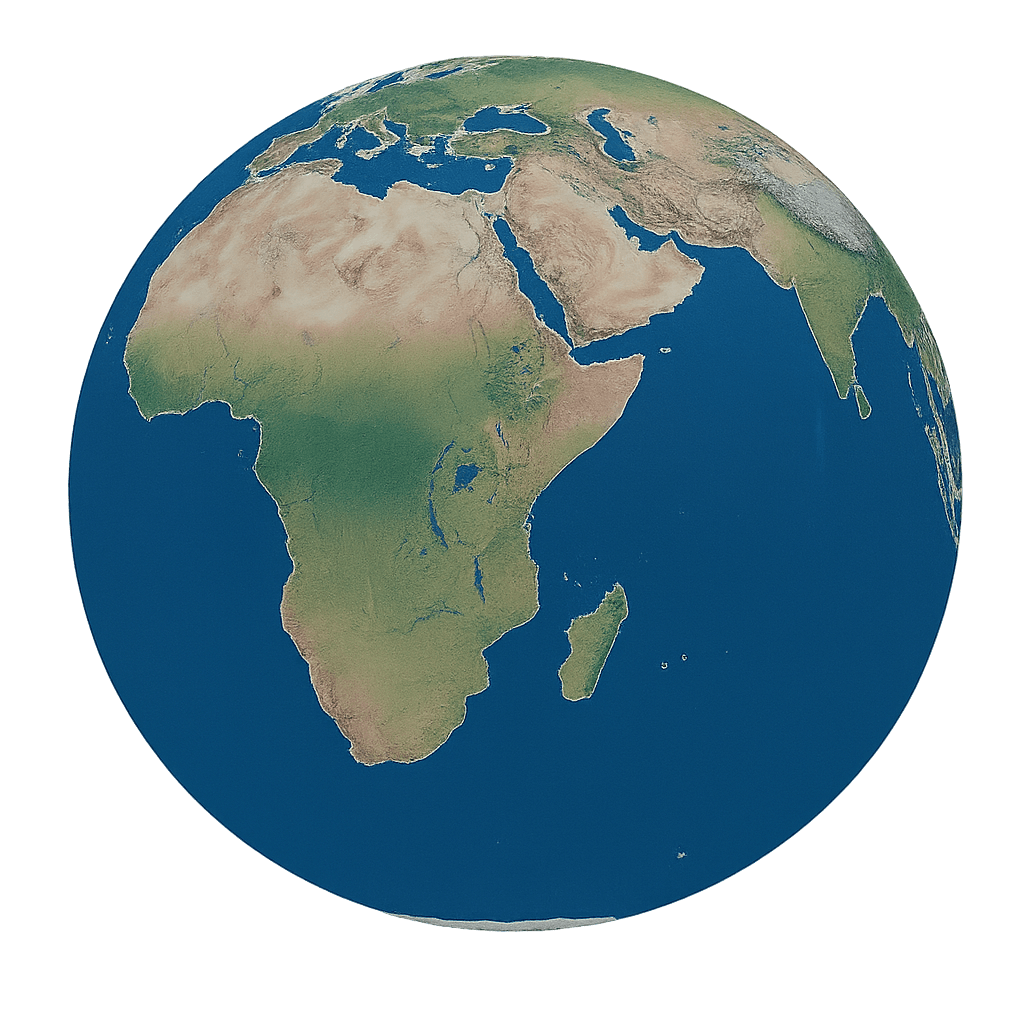
ATLANTA, Sept. 24, 2026 (GLOBE NEWSWIRE) -- On World Gorilla Day, the Dian Fossey Gorilla Fund is proud to announce the formal recognition of an additional 445 square kilometers of community-managed forest within the 2,400-square-kilometer Nkuba Conservation Area (NCA) in the Democratic Republic of the Congo (DRC). The recognition of the Mohoo forest concession (also termed CFCL), granted through the Congolese government’s community forest framework, brings the total portion of the Fossey Fund’s Nkuba Conservation Area that has received formal legal recognition to 91 percent – strengthening protections for Grauer’s gorillas, one of the world’s most threatened great apes, and their critical forest habitat.
The announcement comes at a particularly important moment for Grauer’s gorillas. A recently released IUCN Green Status assessment classifies the subspecies as Critically Depleted, reflecting substantial population declines and loss of range over recent decades. The Green Status measures how close a species is to full ecological recovery across its historical range, complementing the IUCN Red List’s assessment of extinction risk.
“The recognition of Mohoo is an important step forward for the people and wildlife of Nkuba, and it demonstrates what is possible when conservation and local land rights work together,” said Dr. Tara Stoinski, President and CEO and Chief Scientific Officer of the Dian Fossey Gorilla Fund. “At a time when the latest science reminds us just how much Grauer’s gorillas have lost, securing their remaining habitat is more important than ever. This achievement belongs to the communities who have chosen to protect their forests and to the Congolese government for advancing community forest stewardship.”
Protecting forests by putting communities at the center
The Nkuba Conservation Area, which was established in 2012 by the Fossey Fund and local communities, is a vast primary forest landscape in eastern DRC. Located within the Congo Basin and strategically positioned between Kahuzi-Biega and Maiko National Parks, Nkuba provides critical habitat for Grauer’s gorillas and at least nine other globally threatened large mammals.
Unlike a traditional national park, Nkuba is built around a model in which local communities retain legal rights to their traditional lands while taking responsibility for managing those forests sustainably.
The Fossey Fund has worked alongside communities to help landowners navigate the process of securing formal recognition through Concessions Forestières des Communautés Locales (CFCLs), or local community forest concessions. Under this framework, communities receive formal, perpetual rights to their traditional forests while committing to sustainable management practices. Communities can continue to use forest resources that are essential to their livelihoods, such as water and medicinal plants, while maintaining the forest as a functioning ecosystem.
The model recognizes a fundamental reality of conservation in the DRC: Protecting wildlife also requires protecting the people who share its habitat.
“The people who live in these forests have the greatest stake in ensuring that they remain healthy for generations to come,” said Urbain Ngobobo, Country Director, Democratic Republic of the Congo, for the Dian Fossey Gorilla Fund. “Formal recognition gives communities the legal foundation to protect their land while also creating opportunities for sustainable livelihoods. It is conservation that can endure because it is built around the people who call Nkuba home.”
A growing stronghold for Grauer’s gorillas
Grauer’s gorillas have experienced dramatic declines across their range, driven by habitat loss, hunting and other pressures. Unlike mountain gorillas, whose remaining population is concentrated in a relatively small network of protected areas, most Grauer’s gorillas live outside traditional national parks. That makes community-managed forests an important part of the conservation strategy for the subspecies.
In Nkuba, the Fossey Fund supports communities in developing and implementing sustainable land-management practices while also conducting scientific research and monitoring wildlife populations. The organization’s work combines community engagement, forest protection, biodiversity research, and conservation planning to create a landscape where people and wildlife can coexist.
The results demonstrate the potential of the approach. Since the Fossey Fund began working in Nkuba, the killing of gorillas has stopped, while threatened wildlife — including forest elephants that had been locally eliminated by poaching — have begun returning to the area. Nkuba has also been recognized as a Key Biodiversity Area and is being considered as a potential example of an Other Effective Conservation Measure (OECM), a designation for areas that effectively conserve biodiversity outside traditional protected areas.
The approach also creates an important conservation corridor across a landscape much larger than any single community or protected area. As additional communities secure legal recognition of their forests, the result is an increasingly connected landscape in which wildlife can move through protected habitat while communities retain rights to sustainably manage their natural resources.
Conservation amid extraordinary challenges
The formal recognition of Mohoo, along with two other CFCLs earlier this year, is particularly significant given the circumstances in which Fossey Fund staff and community partners have continued their work.
Eastern DRC has faced ongoing civil unrest, insecurity, limited infrastructure, and significant challenges to transportation and access. At the same time, communities and conservation teams have had to navigate major public health threats.
The region is also experiencing the largest recorded Ebola outbreak in the DRC. According to the World Health Organization, as of September 2026, more than 7,600 confirmed cases of Ebola disease had been reported, including more than 3,700 deaths, with transmission spanning seven provinces.
Despite these challenges, the Fossey Fund’s staff, alongside local community leaders, have continued working toward long-term protection of the Nkuba landscape.
“This achievement is a testament to the determination of our Congolese colleagues and the communities of Nkuba,” said Stoinski. “Conservation does not happen under ideal circumstances. It happens because people continue to show up for their forests, their communities and the wildlife that depends on them — even when conditions are extraordinarily difficult.”
Building a model for sustainable conservation
The recognition of Mohoo represents more than the protection of another portion of forest. It advances a model of conservation designed to last beyond any single organization or project.
By helping communities secure legal rights to their traditional lands, supporting sustainable forest management and combining local knowledge with scientific research, the Fossey Fund is working to create the conditions for communities themselves to remain long-term stewards of their forests.
This approach reflects the Fossey Fund’s broader conservation philosophy: Lasting protection for wildlife depends on healthy ecosystems and resilient communities.
The organization’s work in Nkuba is part of its broader commitment to protecting gorillas and their habitats in some of the most challenging conservation landscapes in Africa. As the IUCN’s latest Green Status assessment makes clear, Grauer’s gorillas remain far from recovery. But the progress in Nkuba demonstrates that meaningful conservation gains are possible — and that protecting habitat at scale can be accomplished while respecting and strengthening the rights of the people who depend on it.
Special recognition to Rainforest Trust for its financial support of the expansion of legal protections in Nkuba, with additional funding provided by Arcus Foundation, Daniel K. Thorne Foundation, Disney Conservation Fund, Planet Women, Weeden Foundation and AZA Gorilla SAFE members, including Cleveland Metropark Zoo, Detroit Zoo, Houston Zoo and many other partners.
About the Dian Fossey Gorilla Fund
Established in 1967 by famed primatologist Dian Fossey, the Dian Fossey Gorilla Fund works to protect and study wild gorillas and their habitats and empower people who share the gorillas’ forest home. With a team of over 300 staff working in Rwanda and the Democratic Republic of the Congo, the Fossey Fund is the world’s longest running and largest organization dedicated entirely to gorilla conservation. At the time Fossey began her groundbreaking work, it was predicted that mountain gorillas would be extinct by the year 2000. Instead, they are recognized as one of the world’s few conservation success stories, and recently were moved from “critically endangered” status to “endangered,” one step further from extinction.
The Fossey Fund’s people-centered approach to conservation is focused on four pillars: Protecting individual gorillas, their families and their forest homes; conducting critical science needed to develop conservation strategies; creating future conservation leaders to address the conservation challenges of the future; and helping communities living near gorillas through livelihood, food security and education initiatives.
For more, visit: gorillafund.org. Follow us on Facebook, Twitter and Instagram @savinggorillas

Rivers Agency:
publicrelations@riversagency.com
919-932-9985
Legal Disclaimer:
EIN Presswire provides this news content "as is" without warranty of any kind. We do not accept any responsibility or liability for the accuracy, content, images, videos, licenses, completeness, legality, or reliability of the information contained in this article. If you have any complaints or copyright issues related to this article, kindly contact the author above.
